

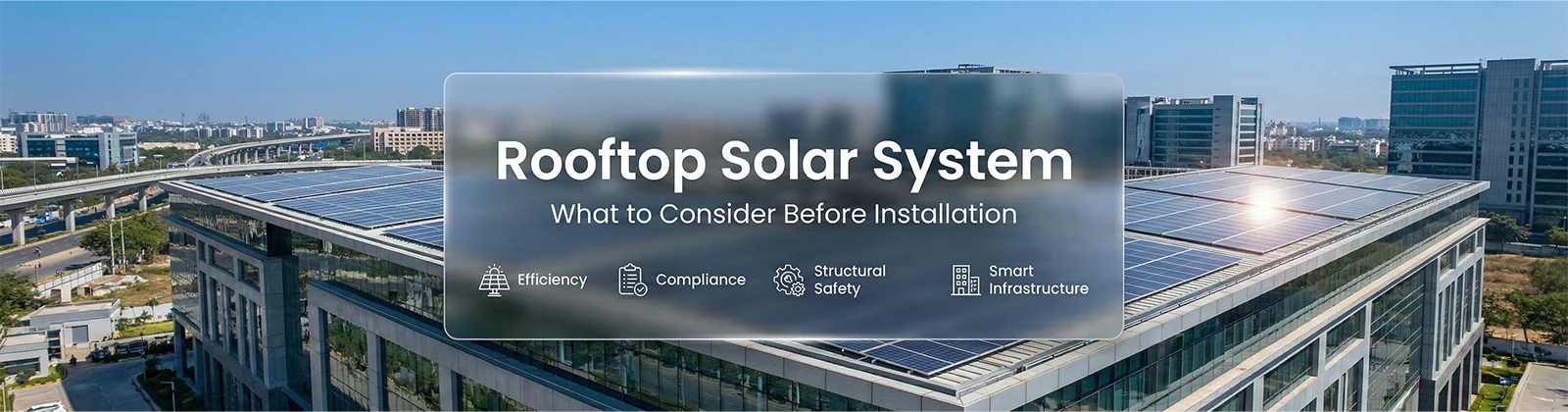
The rooftop solar systems in India are becoming an effective energy solution throughout India. The system requires meticulous planning to achieve its highest operational efficiency. The assessment of roof conditions, orientation, shading, and space requirements must be completed before rooftop solar system installation. The process requires both a review of local regulations and an examination of permit needs. The initial stage needs a complete evaluation because it helps to increase efficiency while preventing expensive installation mistakes that occur on Indian rooftops.
What is a Rooftop Solar System
A Rooftop Solar System provides an effective method to produce clean energy through the installation of solar panels on building rooftops. In India, commercial buildings and industrial facilities increasingly adopt rooftop solar systems to generate solar power, which helps them decrease electricity expenses and their environmental impact.
Major EPC companies in India deliver total mechanical EPC solutions together with MEP Mechanical Services India, which provides complete integration capabilities to their infrastructure projects. The solutions operate as essential components of both smart building systems and contemporary infrastructure technology systems in India, because they enable energy efficiency together with sustainability and ongoing financial benefits while helping India accomplish its renewable energy objectives.
What to Consider Before Installing a Rooftop Solar System
The rooftop solar systems offer solar power for commercial buildings and industrial facilities in India, an efficient solution that delivers significant environmental advantages. The combination of increasing electricity prices, government support, and technological infrastructure improvements has established solar energy as an effective and permanent investment option for the upcoming years.
At HLK Infra, one of the EPC companies in India, we establish a thorough planning process that will enable them to achieve optimal returns from their solar power systems and maintain operational reliability of their rooftop solar installations. We provide smart building solutions in India to analyse the site before rooftop solar system installation in smart building environments throughout India that use advanced mechanical EPC services.
Things to Consider Before Installing a Rooftop Solar System
Here are some of the things to be considered while offering MEP Mechanical Services India, before installing the rooftop solar systems:
- Understand the Energy Requirements
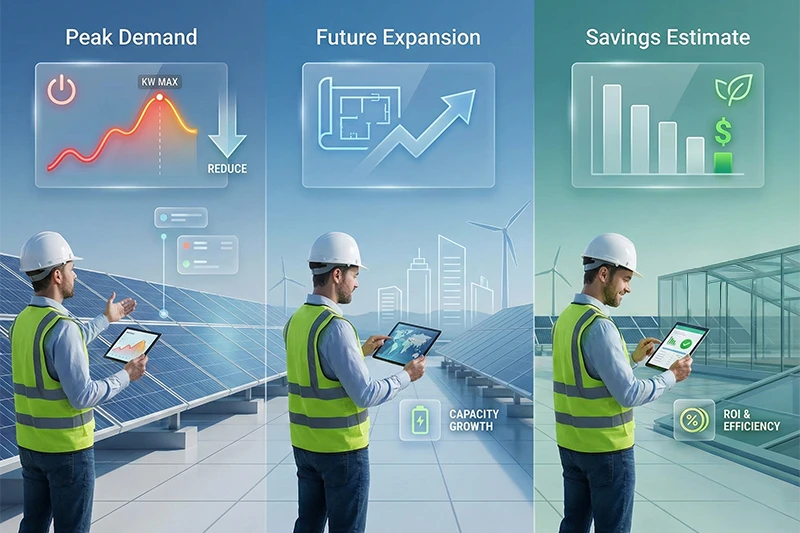
- The first step in planning a rooftop solar system is analysing and predicting the current and future energy consumption through modern infrastructure technology solutions. The load patterns of commercial and industrial facilities show variations that depend on their operational hours, machinery usage, and seasonal demand.
A detailed energy audit helps determine:
- Optimal system capacity
- Peak load requirements
- Potential savings
This analysis ensures the solar installation aligns with business objectives and integrates smoothly with existing electrical and mechanical systems.
- Rooftop Assessment and Structural Integrity
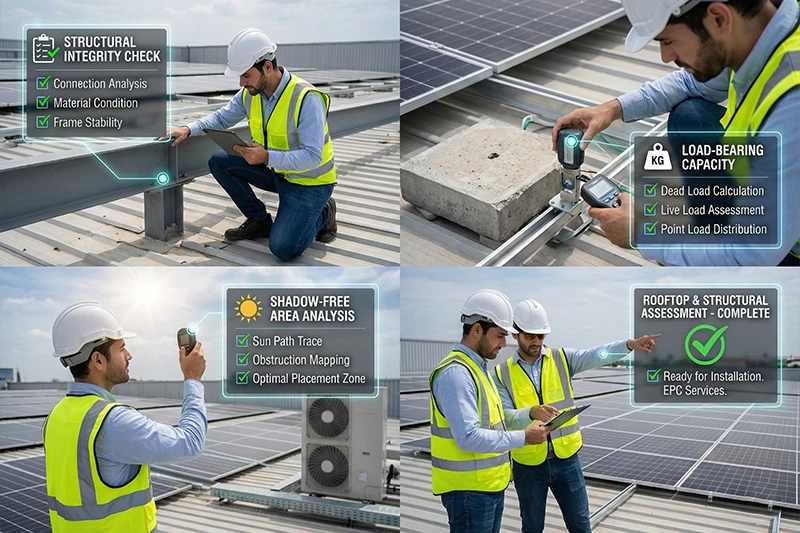
Evaluating roof conditions and structural strength is essential for safety. The assessment verifies whether the roof can support solar panels, mounting structures, and maintenance access.
Main assessment factors include:
- Roof age and material
- Load-bearing capacity
- Available shadow-free area
- Orientation and tilt for maximum solar exposure
Solar system design must be coordinated with MEP Mechanical Services India to avoid interference with HVAC systems, piping, and other rooftop utilities.
- Space Optimisation and Available Rooftop Area – HVAC units, skylights, and parapet walls together restrict the use of rooftop space. The layout design process needs to proceed through its complete development to achieve optimal panel distribution, which produces maximum energy generation. The architectural design teams from the EPC company in India possess the expertise to develop systems that achieve maximum power output under conditions where space availability is restricted.
- Choose the Right System Components
The efficiency and durability of a rooftop solar system depend on selecting high-quality components:
- Solar Panels: Select Tier-1 high-efficiency panels because they provide extended operational time and increased energy performance.
- Inverters: The available inverter types for selection include string inverters, microinverters, and power optimizers. Microinverters work best in situations that involve complicated roof designs and locations that experience partial sunlight obstruction.
- Mounting Structures & Wiring: The complete electrical system needs high-quality mounting components and electrical design to achieve its desired operational lifespan, protective security, and operational efficiency.
The selection of components for solar power for commercial buildings features extensive warranties (25-year panel performance and 5-10 year inverter warranties) and requires minimal upkeep leads to decreased risks throughout their operational lifespan.
- Understand Costs, Savings, and Financing Options
The total expense of solar systems requires assessment because their installation cost has decreased since previous years, yet remains a major expenditure. The evaluation process needs to assess complete lifecycle expenses while comparing them against savings from decreased electricity costs and net metering advantages.
The PM Surya Ghar Yojana in India provides installation subsidies for residential and small commercial solar systems, which help reduce installation expenses. The rules for eligibility and the structure of incentives demand verification before proceeding with the process.
Solar financing options encompass three main types, which are solar loans, leases, and Power Purchase Agreements (PPAs). HLK Infra helps analyse these options to find the most suitable financial structure for your project.
- Navigate Permits, Net Metering, and Local Regulations
In India, solar installation requires approvals from local electricity boards/energy distribution companies (DISCOMs), net metering permissions, and sometimes municipal permits. The process of net metering enables users to send their surplus electricity to the grid, which results in billing credits that serve as an essential benefit for commercial buildings and industrial facilities. Some regions have started to implement virtual and group net-metering systems, which provide users with increased flexibility.
Understanding local approval timelines and documentation needs helps avoid project delays and redesigns.
- Choose the Trusted EPC Partner: The right EPC company in India, like HLK Infra, requires your selection, which stands as one of your critical decisions. The trustworthy partner provides you with:
- Engineers who design systems and create professional design solutions
- Safety standards that they must follow
- The correct procedure for installation, together with the commissioning process
- They provide you with support services that cover maintenance tasks after you complete installation.
Your partner selection process should not depend on the lowest price because system performance in the long term requires assessment of quality, experience, and after-sales service.
Final Thoughts
The installation of rooftop solar systems in India functions as an eco-friendly energy solution because it serves as a strategic energy system improvement for your building. Sustainable savings can be achieved when you select the appropriate components and work with a reliable EPC company in India, which also helps India reach its renewable energy targets.
HLK Infra uses contemporary building system technologies and intelligent building systems together with their MEP Mechanical Services in India to create permanent solar solutions that extend from industrial rooftop installations to commercial campus sites.
Contact us today to take the first step toward a brighter, cleaner future with rooftop solar systems.
Questions People Frequently Ask
A rooftop solar system works by using photovoltaic (PV) panels to convert sunlight into electricity. The system produces renewable energy, which generates clean power for all types of buildings, including residential, commercial, and industrial facilities.
Yes, solar power for commercial buildings and rooftop solar for industries is highly effective because commercial buildings have extensive rooftop space and industrial facilities operate their energy systems during daylight hours. The systems decrease electricity expenses while they boost energy performance throughout their operational life.
Installation timelines depend on system size and building type. The installation process for commercial or industrial rooftop solar systems reaches completion within a few weeks after the necessary approvals and site assessments are finished.
Yes, the rooftop solar system in India provides excellent long-term savings through its three main benefits, which include decreased electricity costs, government incentives, and business depreciation tax advantages.